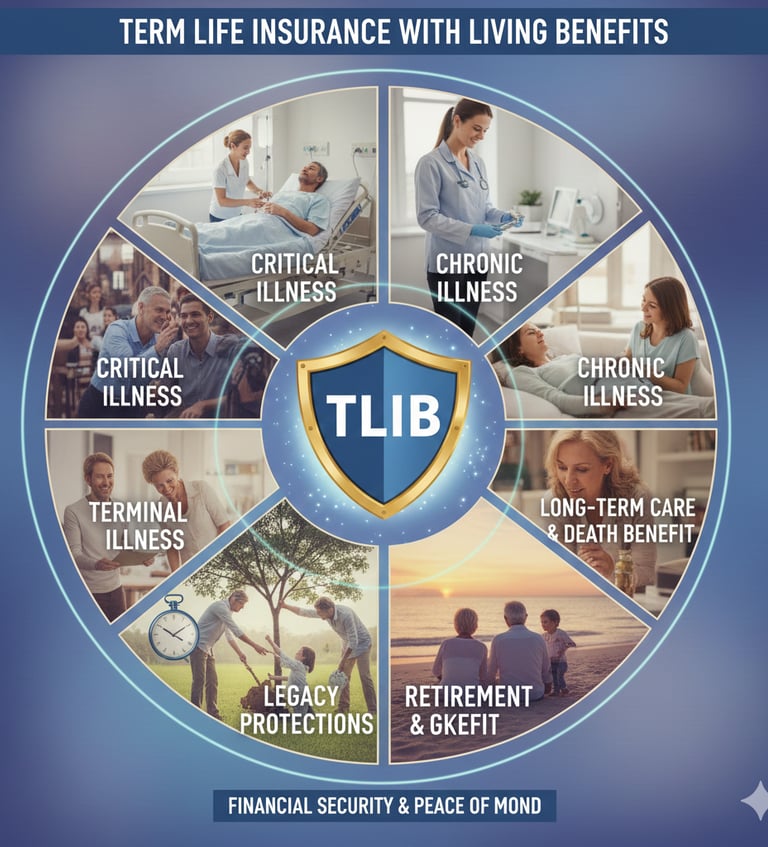
Protect What Matters Most & Live Your Best Life
TBL Insurance" is a term that can refer to different concepts depending on the context, but it most commonly stands for either Truck Broker Liability or is a shorthand for Third-Party Liability (TPL) insurance.
The most specialized and likely meaning in a business or logistics context is Truck Broker Liability.
Here is a detailed write-up on both concepts.
1. Truck Broker Liability (TBL) Insurance (Logistics)
Truck Broker Liability (TBL) insurance is a specialized liability policy designed for freight brokers and logistics companies that arrange for the transportation of goods but do not own the trucks or employ the drivers.1
🚛 What It Is and What It Covers
TBL is a form of insurance that protects a freight broker from liability claims related to bodily injury or property damage resulting from the use, maintenance, or ownership of a motor carrier's auto.2
Primary Purpose: TBL is designed to provide primary defense and indemnity for the broker when they are named in a lawsuit following a trucking accident, regardless of whether the motor carrier's primary insurance has failed or denied coverage.3
Key Coverage: It generally covers the broker's legal liability arising from an accident involving the motor carrier they hired, specifically when that liability stems from the broker's operations (e.g., being named in a lawsuit by a plaintiff's attorney).4
Defense Costs: A crucial feature of TBL policies is that they often provide primary defense coverage from the moment the broker is named in a lawsuit.5 This is significant because accident-related litigation can last for years.6
🆚 TBL vs. Contingent Auto Liability (CAL)
TBL insurance is often contrasted with Contingent Auto Liability (CAL), which was the traditional form of coverage for brokers.7
FeatureTruck Broker Liability (TBL)Contingent Auto Liability (CAL)Coverage TriggerGenerally provides primary defense and indemnity when the broker is named in a lawsuit arising from a carrier's accident.Contingent/Secondary—Only triggers if the motor carrier's primary auto liability insurance fails to cover a claim or fails to pay.Timing of DefenseDefense coverage is typically immediate and primary when the broker is sued.Defense is often delayed until the carrier's primary policy has officially failed, which can take years during litigation.ScopeBroader, more comprehensive coverage designed to meet the increasing risk exposure required by shippers and the aggressive targeting by plaintiff attorneys.More restrictive, providing a safety net only if the carrier's insurance is inadequate or nonexistent.Waiver of SubrogationOften includes blanket or specific provisions for a Waiver of Subrogation in favor of the shipper.Many forms also offer this, but it can be more conditional.
📈 Importance of TBL
Meeting Shipper Demands: Modern Shipper/Broker Agreements increasingly require the broker to take on more risk, often through demands for Additional Insured status and robust indemnification clauses, which TBL is better structured to satisfy.8
Mitigating Litigation Risk: As plaintiff attorneys increasingly name all parties involved (including the broker) in accident lawsuits, TBL ensures the broker's immediate and primary legal defense, protecting them from potentially catastrophic legal costs and "nuclear verdicts" (exceptionally large jury awards).9
Risk Management: It demonstrates to shippers and business partners that the brokerage meets high standards of risk acceptability and best practices.10
2. Third-Party Liability (TPL or sometimes TBL) Insurance (General)
In a broader and less specialized context, "TBL" can be an alternative abbreviation for Third-Party Liability (TPL) insurance.
🛡️ What It Is
Third-Party Liability is a fundamental component of many insurance policies (like auto, homeowners, and general business liability) that provides financial protection to the insured party against claims made by a third party (someone outside the insurer and the insured).11
Third Party Definition: The third party is typically a person who suffers injury or property damage due to the insured's negligence or actions.12
Core Function: It covers the insured's legal obligation to pay for damages to others.13
📝 Key Coverage Areas
TPL/TBL insurance typically covers:
Bodily Injury: Medical expenses, lost wages, and pain and suffering for others injured in an incident for which the insured is at fault.14
Property Damage: Repair or replacement costs for another person's vehicle or property (e.g., a fence, building) damaged by the insured.15
Legal Defense Costs: Crucially, it pays for the cost of defending the insured in a lawsuit, including attorney fees and court costs, up to the policy limit, even if the claim is ultimately dismissed.16